As Glenn Short wrote in a potted history published in the publication
Blue Mountains Climbing: "Thousands of years of shortcuts, exploratory scrambling and fun-loving jaunts around the orange walls of the Blue Mountains must have produced thousands of Aboriginal soloing epics. Spare a thought for the climbing culture ... we've lost. Our ropes, sticky rubber and ringbolts mark us for the bumblies we are."
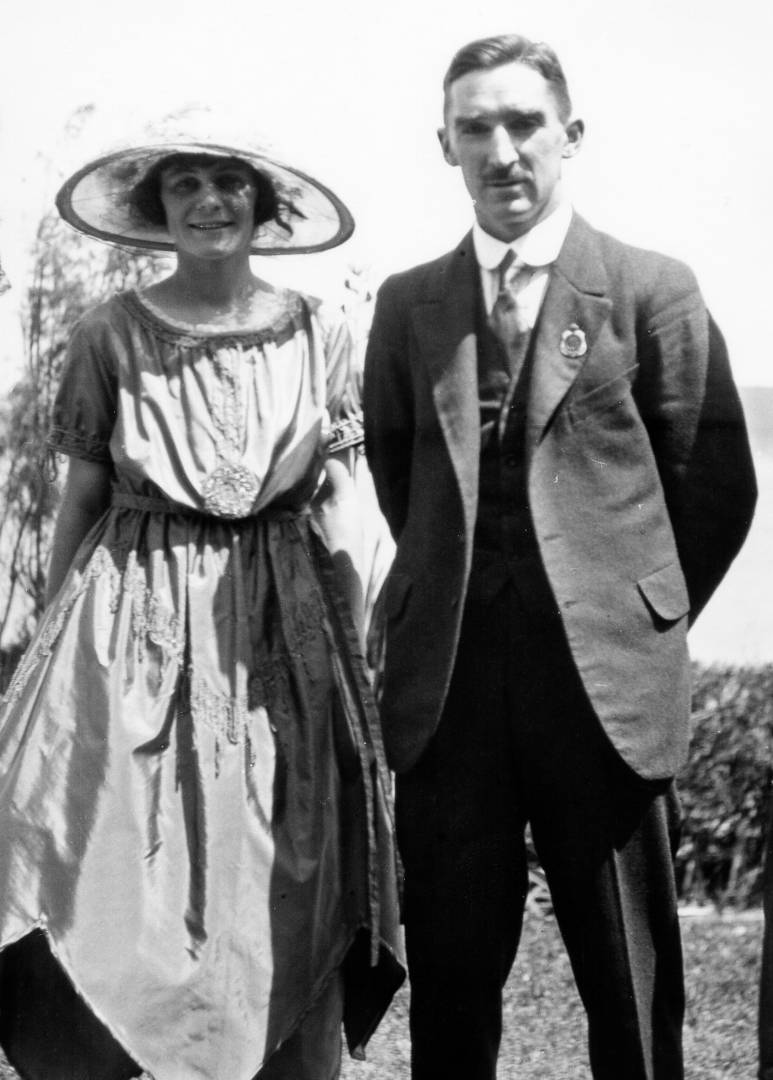
Modern climbing, on the other hand, can be traced back to the 1920s and a remarkable man named Eric Dark (1889-1987). For starters, this Katoomba medical doctor was married to a remarkable woman. Eleanor Dark (1901-1985) was an accomplished writer whose book trilogy,
The Timeless Land, about the early years of European settlement in Australia, won her acclaim locally and overseas. She loved the Australian bush with a passion and her greatest writing was done when she described it. Today the Darks' old Katoomba home Varuna, in Cascade Street close to the cliffs of the Jamison Valley, is a writers' retreat.
Eric and Eleanor married in 1922, moved to Katoomba in 1923 and their many shared interests included literature and rock climbing. How did that come about? Local school boys naturally found the towering cliffs around Katoomba irresistible, but lacked the skills and equipment to climb them safely. When one of them ended up in Eric's consulting room to have his injuries treated, the idea was born to create a climbing club. They called themselves 'The Blue Mountaineers', and included Eleanor, but less kind souls dubbed them 'The Katoomba Suicide Club'. During the 1920s and 1930s, Eric and his fellow club members climbed regularly on the cliffs of the Blue Mountains, including Sublime Point where
Sweet Dreams is still one of the most popular climbs guided by Blue Mountains Adventure Company.
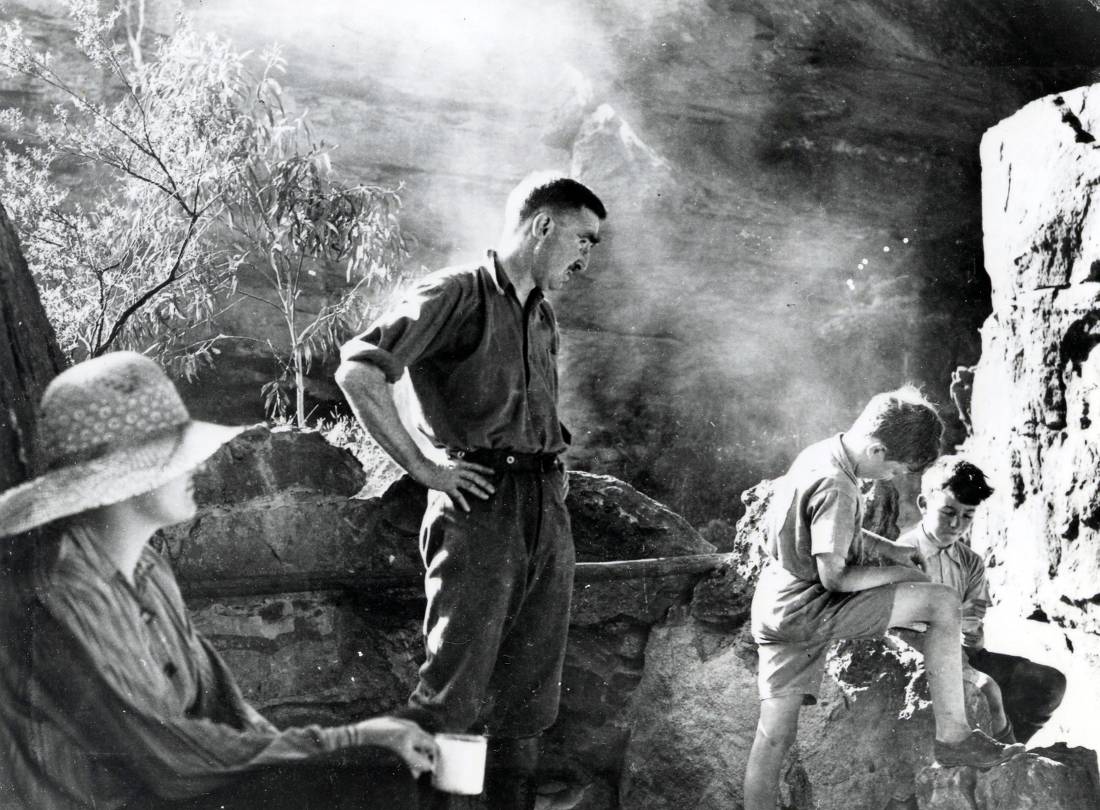
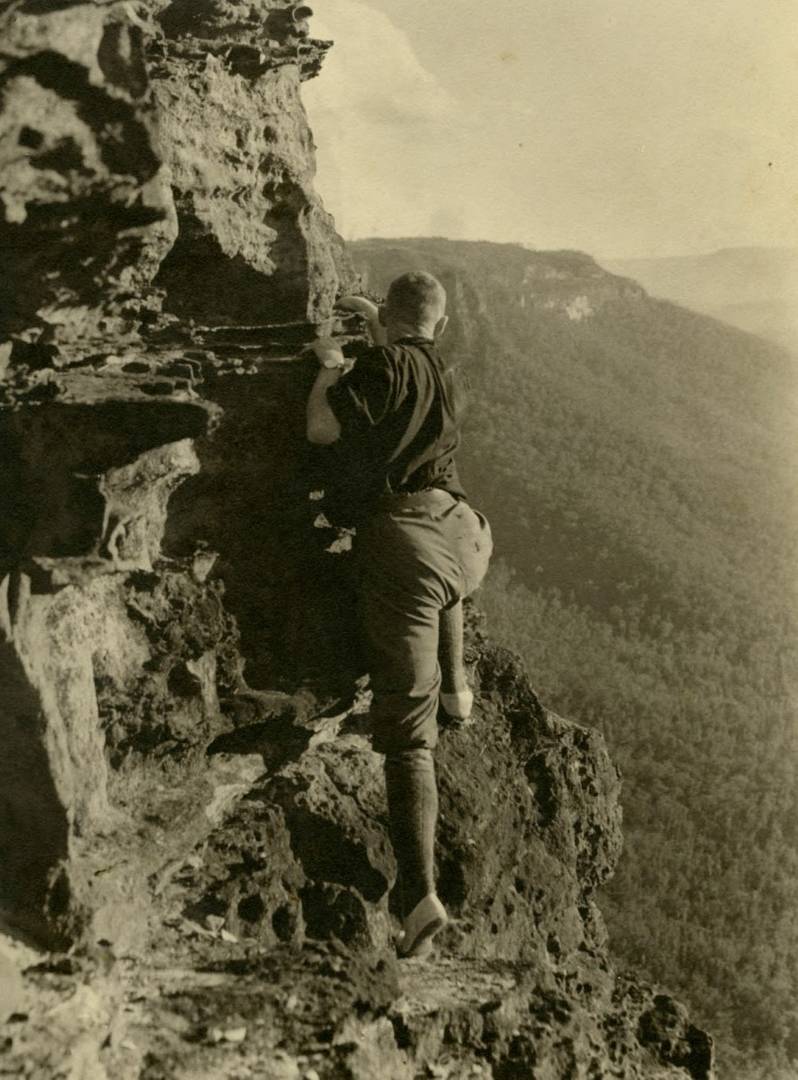
For Eric, the Blue Mountains was not his first climbing destination and climbing was but one thrilling chapter in an amazing life. As well as having already climbed in other parts of Australia, it is thought he had honed his climbing skills in Britain and continental Europe while serving as a medic during World War I, according to Glenn Short.
Such was Dark's bravery on the Western Front, he was awarded the Military Cross. The 1917 citation for his service at the notorious Battle of Passchendaele read: "For conspicuous gallantry and devotion to duty in leading his bearers. He displayed great gallantry and disregard of danger in moving about in the open under the heaviest shell fire, collecting and evacuating the wounded. He worked continuously for 36 hours, by his energy and determination contributing largely to the rapid clearing of the battlefield." At one stage during the war, Eric was temporarily blinded and badly affected by gas because he had taken his mask off in order to better treat the wounded. Inspired by the suffering of the poor of the Blue Mountains during the Great Depression, Eric also became a left-wing political and social agitator and champion of free speech.
Because of his military and rock climbing backgrounds, Eric was commissioned during World War II to train defence personnel in bushcraft and scout out Blue Mountains caves that could be used as hideouts for Australian guerilla troops in the event of a Japanese invasion. As his citation in the Australian Dictionary of Biography rightly notes, Eric Dark was not only a small, wiry, energetic, extremely fit man, he was most importantly "a man of moral rectitude and courage".
Come climb in his remarkable footsteps with a guide from the Blue Mountains Adventure Company.
Written by Dan Lewis - BMAC guide since 2014